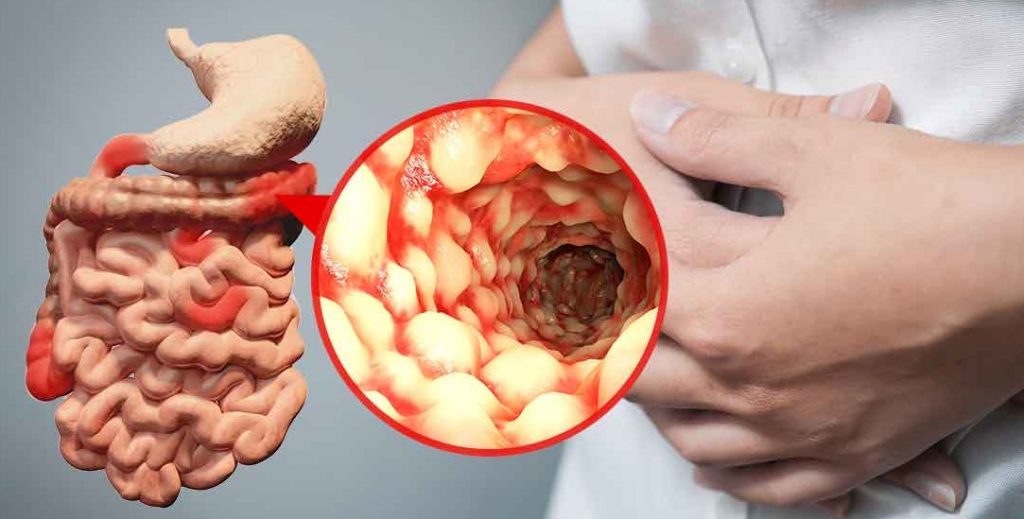

Crohn’s disease is a type of chronic inflammatory bowel disease (IBD) that affects the digestive tract.
Crohn’s disease is a long-term condition that can sometimes lead to serious complications.
Complications may include:
- Intestinal blockage
- Severe diarrhea
- Infections
- Abscesses
- Gastrointestinal bleeding
- Intestinal perforation
- Anal or rectal bleeding
It can also cause abdominal pain and cramping, weight loss, anemia, and fatigue.
There is currently no cure for Crohn’s disease, but treatments can help reduce inflammation, manage symptoms, and maintain remission. The exact cause of Crohn’s disease is not fully understood.
Researchers believe that several factors may contribute to the development of Crohn’s disease, including genetics, the immune system, environmental factors, and smoking. People with a family history of Crohn’s disease may have a higher risk of developing the condition.
Signs and Causes of Crohn’s Disease
Causes of Crohn’s Disease
The exact cause of Crohn’s disease is unknown. Researchers believe it develops through a combination of genetic susceptibility, an abnormal immune response, and environmental factors.
Crohn’s disease itself is not usually fatal, but serious complications can occur. These may include severe infections, intestinal obstruction, perforation, blood clots, malnutrition, and an increased risk of colorectal cancer in some people with long-standing disease.
Proper medical treatment, regular monitoring, healthy lifestyle choices, and an individualized diet can help reduce complications and improve quality of life.
Factors associated with Crohn’s disease include:
1. Genetics: Genetics can play an important role in Crohn’s disease.
People who have a close family member with Crohn’s disease have a higher risk of developing the condition. However, having a family history does not necessarily mean that you will develop Crohn’s disease.
Regular medical care is particularly important for people who experience persistent digestive symptoms.
2. Environmental Factors: Environmental factors may influence the development of Crohn’s disease, although researchers are still studying exactly how they contribute.
Where a person lives, smoking, diet, medications, infections, and other environmental exposures may interact with genetics and the immune system.
Crohn’s disease is not simply caused by contaminated drinking water or accidentally swallowing lake water. However, contaminated food and water can cause gastrointestinal infections that may produce symptoms similar to inflammatory bowel disease.
3. Diet and Food: Diet does not appear to be a direct cause of Crohn’s disease. However, certain foods can worsen symptoms in some people, particularly during a flare.
Food safety is important for everyone. Meat should be properly stored and cooked to a safe temperature, and fruits and vegetables should be thoroughly washed before eating.
People with Crohn’s disease may react differently to particular foods, so keeping a food diary can sometimes help identify individual triggers.
4. Immune System: The immune system plays an important role in Crohn’s disease.
Crohn’s disease is considered an immune-mediated inflammatory condition. An abnormal immune response can cause persistent inflammation in the digestive tract.
Researchers continue to study why this abnormal immune response develops and how genetics, intestinal bacteria, and environmental factors may contribute.
5. Stress: Stress does not appear to cause Crohn’s disease, but it can make symptoms more difficult to manage and may contribute to symptom flare-ups in some people.
Managing stress, getting enough sleep, exercising when appropriate, and following the treatment plan recommended by your healthcare provider may help improve overall well-being.
Signs and symptoms of Crohn’s disease can vary considerably from one person to another. Common symptoms include persistent diarrhea, abdominal pain and cramping, fatigue, reduced appetite, weight loss, fever, and sometimes blood in the stool.
Some people may also develop anemia, mouth sores, anal pain or drainage, or symptoms affecting areas outside the digestive system.
If you experience persistent diarrhea, unexplained weight loss, blood in your stool, ongoing abdominal pain, fever, or other concerning symptoms, contact a healthcare professional.
Further testing may be necessary to determine whether the symptoms are caused by Crohn’s disease or another digestive condition.
Crohn’s Disease Diagnosis
Crohn’s disease should be diagnosed by a qualified healthcare professional, often with the involvement of a gastroenterologist.
There is no single test that diagnoses every case of Crohn’s disease. Doctors may use several tests, including:
- Blood tests
- Stool tests
- Physical examination
- Colonoscopy
- Upper endoscopy in some cases
- CT or MRI imaging
- Capsule endoscopy in selected cases
Biopsies taken during an endoscopic examination can also help confirm the diagnosis and distinguish Crohn’s disease from other conditions.
Treatments for Crohn’s Disease
Treatment for Crohn’s disease depends on the location and severity of the disease, the person’s symptoms, previous treatments, and whether complications are present.
Common treatments may include anti-inflammatory medications, corticosteroids for short-term control of certain flares, immunomodulators, biologic therapies, and other targeted medications.
Antibiotics may be prescribed when certain infections or complications, such as abscesses, are present, but they are not the primary treatment for every person with Crohn’s disease.
Some medications are taken orally, while others may be given by injection or intravenous infusion. The appropriate treatment should be determined by a healthcare professional.
Surgery may sometimes be necessary to treat complications such as intestinal obstruction, fistulas, abscesses, perforation, or disease that does not respond adequately to medication.
Do not stop prescribed Crohn’s disease medication simply because your symptoms have improved. Crohn’s disease commonly has periods of remission and flare-ups. Changes to medication should be discussed with your healthcare provider.
Crohn’s Disease Diet
There is no single Crohn’s disease diet that works for everyone. Foods that cause symptoms in one person may be well tolerated by another.
During a flare, some people may find it helpful to limit foods that worsen diarrhea, bloating, abdominal pain, or cramping.
Depending on individual tolerance, possible triggers may include:
- Alcohol
- High-fat or fried foods
- Very spicy foods
- High-fiber foods during certain flares
- Dairy products in people who are lactose intolerant
- Raw fruits and vegetables during certain flares
- Caffeinated beverages
- Foods or drinks high in added sugar
Gluten does not need to be eliminated from the diet unless a person has celiac disease, gluten sensitivity, or notices that gluten-containing foods worsen their symptoms.
Smoking should also be avoided. Smoking is particularly harmful for people with Crohn’s disease and is associated with more severe disease, more frequent flare-ups, and a greater likelihood of requiring surgery.
Dietary restrictions should be individualized. Avoiding too many foods unnecessarily can increase the risk of nutritional deficiencies, which is already a concern for some people with Crohn’s disease.
Foods That May Be Easier to Tolerate
During periods of active symptoms, some people may tolerate softer, lower-fiber foods more easily. Depending on individual tolerance, these may include:
- White rice
- Bananas
- Applesauce
- Well-cooked vegetables
- Eggs
- Lean, well-cooked meat, poultry, or fish
- Refined bread or toast
- Yogurt or other fermented dairy products if tolerated
- Lactose-free products when necessary
- Soups and broths
- Plenty of appropriate fluids
Probiotics may be helpful for some digestive conditions, but their benefit specifically for Crohn’s disease remains uncertain. Discuss supplements and probiotics with your healthcare provider.
There is normally no need to boil safe municipal drinking water specifically because you have Crohn’s disease. However, everyone should avoid water that may be contaminated or unsafe to drink.
Because nutritional needs can change during flare-ups and remission, people with Crohn’s disease may benefit from discussing their diet with a registered dietitian or healthcare professional experienced in inflammatory bowel disease.
Crohn’s Disease Can Have Periods of Flare-Ups and Remission
Crohn’s disease is a chronic condition. Symptoms may become worse during a flare and then improve or disappear during a period of remission.
Even when symptoms disappear, inflammation may still be present. For this reason, continue taking prescribed medications unless your healthcare provider advises you to change or stop them.
Some people notice that stress, smoking, certain foods, infections, or other factors worsen their symptoms. Identifying personal triggers can be useful, but these triggers are not necessarily the underlying cause of the disease.
Regular follow-up with your healthcare provider is important for monitoring symptoms, inflammation, nutritional status, medication effects, and possible complications.
Managing Crohn’s Disease Symptoms and Home Remedies
People with Crohn’s disease may hear about supplements, herbal products, special diets, or home remedies that claim to treat the condition.
Be cautious with these treatments. A product described as “natural” is not necessarily safe, and some supplements or herbal remedies can interact with Crohn’s disease medications or worsen diarrhea and other symptoms.
People can also respond differently to foods, supplements, and medications. A treatment that appears helpful for one person may not be appropriate for another.
Home remedies should not replace medical treatment for Crohn’s disease. Before taking herbal remedies, supplements, probiotics, or making major dietary changes, discuss them with your doctor, pharmacist, or registered dietitian—especially if you are currently taking prescription medication.
Seek prompt medical attention for severe abdominal pain, persistent vomiting, significant rectal bleeding, high fever, severe dehydration, abdominal swelling, or other rapidly worsening symptoms.