
The Hype, the Hope, the Caution
Ozempic (semaglutide) has become one of the most talked-about drugs in health and wellness circles. Celebrities flaunt dramatic transformation photos. Social media influencers position it as a “miracle injection” to lose weight. But much of the narrative glosses over the medical, physiological, and ethical complexities — especially for people without diabetes.
If you’re not diabetic but are curious about Ozempic, weight loss, metabolism, or whether a “medical booster” is right for you, this article is meant to give you a deep, realistic view. We’ll dig into the science, the benefits, the risks (including ones rarely discussed), the ethics, and practical guidance — plus considerations specific to Canada.
Disclaimer: This is for information only — never substitute it for professional medical advice. Always speak with a physician or endocrinologist before considering a prescription.
But here’s the real question: Is Ozempic safe or even appropriate for people who don’t have diabetes?
👉 If you’re exploring a medically supervised weight-loss option, check out TelemedicalServices — a trusted telehealth platform that connects you with licensed providers for safe GLP-1 consultations.
What Is Ozempic (Semaglutide)? A Quick Primer
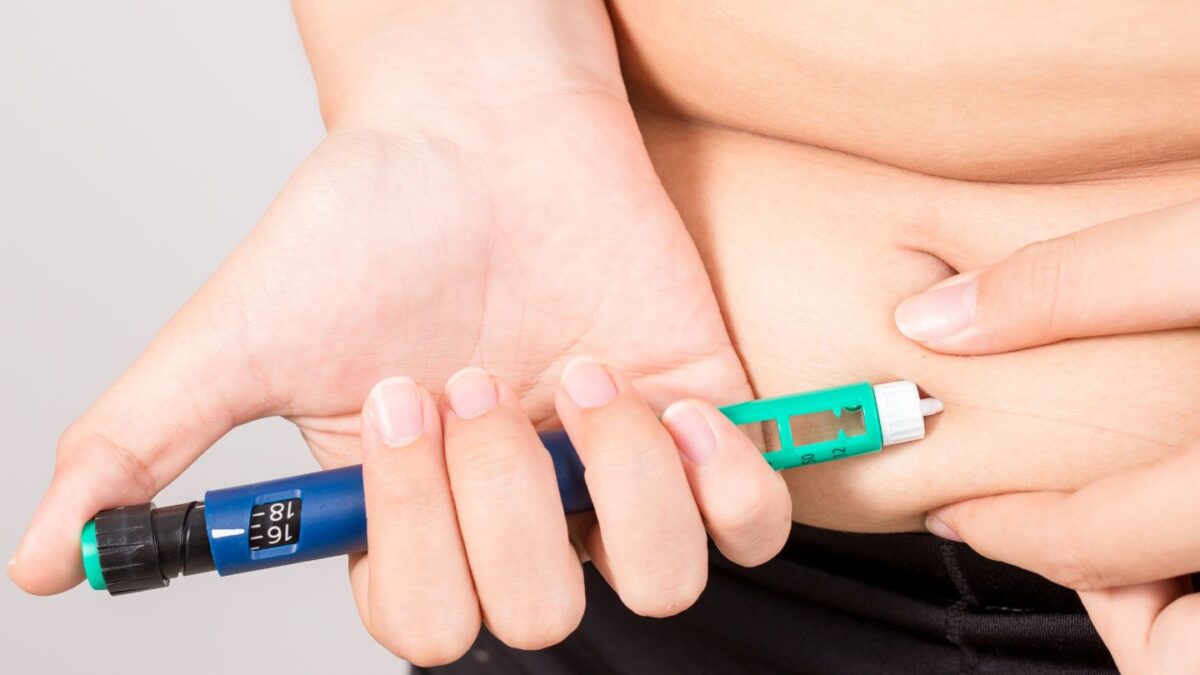
Ozempic is a once-weekly injectable medication whose active ingredient is semaglutide, a member of the GLP-1 (glucagon-like peptide-1) receptor agonist class. It was originally developed and approved for type 2 diabetes treatment, to help lower blood sugar, reduce the risk of complications, and often induce weight loss as a beneficial side effect.
Mechanisms by which semaglutide works include:
-
Stimulating insulin release (in a glucose-dependent manner)
-
Suppressing glucagon (which raises blood glucose)
-
Delaying gastric emptying (slowing how fast food moves through your stomach)
-
Reducing appetite signals in the brain, increasing satiety
Because of these multiple effects, people who use it often eat less (without intentional dieting) and lose weight over time — even when their blood sugar is not severely impaired.
There is also a separate formulation, Wegovy, which uses semaglutide but is specifically approved for obesity (weight management) rather than diabetes. Many people confuse Ozempic and Wegovy, but their labels, dosing, and indications differ slightly in various jurisdictions.
The Evidence: What Clinical Trials & Research Show (Non-Diabetic Populations)
When assessing whether Ozempic makes sense for non-diabetics, the core question is: What does the evidence say in people without diabetes?
Key Clinical Trials & Studies
-
STEP Trials (General Obesity / Overweight Without Diabetes)
A landmark randomized controlled trial in people without diabetes found that semaglutide produced ~15% weight loss over ~68 weeks compared to placebo (which typically achieved ~2% weight loss) in the control group. PMCThis is strong evidence that semaglutide has robust weight-loss effects even outside diabetic populations.
-
Two-Year Effects Study
In adults with overweight or obesity (some with, some without diabetes), over two years, many participants on semaglutide lost ≥10% of baseline weight; some even exceeded 20% weight loss. NatureWhile not all participants were non-diabetic, the results suggest sustained effectiveness over a long time frame.
-
Cohort Study – Real-World Use
In a cohort of 175 patients with overweight or obesity (not necessarily diabetic), weight loss of 5.9% at 3 months and 10.9% at 6 months on semaglutide has been observed. PMCThis helps show what people may expect in real-world settings (less controlled than RCTs).
-
Meta-Analyses & Reviews
A meta-analysis (pooling multiple studies) has estimated that non-diabetic individuals using semaglutide may experience an average weight loss of ~11.85% relative to baseline. Buy Canadian InsulinAlso, the global trend data shows increasing public interest in semaglutide tied to social media, hype, and word-of-mouth, especially in countries like Canada and the U.S., BioMed Central
-
Regulatory Perspectives & Canadian Context
Health experts in Canada note that most clinical research has been done in diabetic or mixed populations; purely obese/non-diabetic investigations are fewer. healthsci.mcmaster.caThere is also concern about widespread off-label prescribing and pressure on supply in Canada. Canadian Insulin+1
Possible Benefits for Non-Diabetic Users
If used appropriately and under medical supervision, non-diabetic individuals might reap several benefits from Ozempic / semaglutide. But “possible” is not guaranteed— individual outcomes depend heavily on context, body composition, lifestyle, genetics, and medical supervision.
1. Substantial Weight Loss (Fat Mass Reduction)
Given the appetite suppression and slower digestion, many users lose body fat. In trials, double-digit percent weight loss is common in obese individuals. PMC+2Nature+2
2. Metabolic Improvements
Even without overt diabetes, losing weight can improve:
-
Insulin sensitivity (your body handles sugar more effectively)
-
Lipid profile (lower LDL, triglycerides; higher HDL)
-
Blood pressure
-
Inflammatory markers
These improvements reduce long-term cardiovascular and metabolic risk.
3. Improved Appetite & Behavioral Control
Some users report less food obsession, fewer cravings, and improved control over emotional eating. This psychological benefit can amplify adherence to healthy habits.
4. Potential Cardiovascular Benefits
In people with diabetes, semaglutide has shown cardiovascular risk reduction. Whether that benefit carries over to non-diabetic people is less certain, but it’s plausible (especially in those with risk factors). arXiv
5. Long-Term “Maintenance” Potential
If the drug is sustained, it can help maintain a lower weight — it’s harder for the body to regain weight while under its effect (though upon discontinuation, weight may come back). Some trials show weight regain after stopping. PMC+1
Risks, Side Effects & Unknowns (More Than You Think)
Using Ozempic off-label carries risks, many of which get minimized in popular content. Below is a more nuanced and extensive breakdown.
Common & Manageable Side Effects
-
Gastrointestinal issues (nausea, vomiting, diarrhea, constipation) — these are among the most frequently reported in trials.
-
Reduced appetite — while a benefit to many, in some cases, it can lead to undernutrition or fatigue.
-
Injection-site reactions — redness, itching, or mild irritation where you inject.
-
Gastrointestinal discomfort/bloating — especially in sensitive individuals.
Most GI side effects tend to be transient and mild to moderate (often easing after a few weeks). PMC+2Nature+2
More Serious Risks & Clinical Concerns
-
Pancreatitis
There have been reports of pancreatitis associated with GLP-1 medications. While the absolute risk is small, it is a serious condition and must be monitored. -
Gallbladder disease/gallstones
Rapid weight loss is a known risk factor for gallstones; combining this with drug-induced changes in bile dynamics can increase risk. -
Thyroid C-cell tumors (in animal studies)
In rodent models, GLP-1 receptor agonists have been linked to thyroid C-cell tumors. The relevance in humans is uncertain, but caution is advised in individuals with a thyroid cancer history or MEN 2 syndrome. -
Sarcopenia (loss of muscle mass)
Rapid weight loss may cause loss of lean muscle if protein intake and resistance training are not maintained. -
Nutrient Deficiencies / Malnutrition
Suppressed appetite may lead to inadequate intake of macro- and micronutrients (protein, vitamins, minerals). Over time, this may compromise immunity, bone strength, hair health, etc. -
Mood, mental health, and emotional side effects
Sudden changes in energy balance may affect mood. Some users report anxiety, mood swings, or emotional instability — especially in people with predispositions. -
Rebound weight gain
Discontinuing the drug often leads to rebound weight gain unless lifestyle is strongly entrenched. -
Unknown long-term safety
Because using Ozempic in non-diabetics is off-label, long-term data (10+ years) are limited. We don’t fully know the effects on organ systems over several decades under this specific use. -
Ocular/retinal risks — emerging concerns
A new study from Ontario, Canada, associated GLP-1 use (including semaglutide) with a higher risk of neovascular age-related macular degeneration (wet AMD). Health
While this research is in diabetic populations, it raises a red flag for all users — especially older adults or those with retinal risk factors. -
Supply, cost, and ethical risks
The surge in off-label use has strained supply in some countries (including Canada), affecting access for people with diabetes who depend on it. BioMed Central+2healthsci.mcmaster.ca+2
Also, buying unauthorized, counterfeit, or compounded versions (especially online) carries serious risks of contamination, incorrect dosage, or adulteration. BioMed Central+1
Risk in Older or At-Risk Groups
-
People with preexisting kidney disease, liver disease, or GI motility disorders
-
Those with a history of pancreatitis or gallbladder problems
-
People with existing retinal disease (given emerging eye risk data)
-
Pregnant or breastfeeding individuals (safety not well established)
-
People with a psychiatric history should be closely monitored
How It Works Over Time: What to Expect (Trajectory & Plateau)
Understanding realistic progress helps avoid disappointment or misuse.
-
Initial phase (weeks to months):
Many users experience GI side effects initially. Appetite suppression sets in. Weight loss may be steeper in the first 3–6 months (e.g., 8–12% in some). -
Mid-phase (6–12 months):
Weight-loss trajectory may slow. Some users report a 10–15% total decline in body weight in obese individuals. PMC+1 -
Long-term (beyond 1–2 years):
Maintaining weight loss becomes harder even with therapy. Plateaus are common. If the drug is discontinued, many users regain a significant portion of lost weight. PMC+1 -
Variability:
Some individuals respond more strongly (e.g.,>20% weight loss), others more modestly. Much depends on baseline BMI, adherence, diet, activity, genetics, and metabolic health.
Practical Use: Starting, Dosing, Monitoring, Stopping
Here’s a more hands-on section you (or a collaborating physician) might use to guide structured use — but again, only under medical supervision.
Medical Evaluation Before Starting
-
Comprehensive baseline labs: kidney, liver, pancreatic enzymes (amylase/lipase), thyroid function, full metabolic panel, lipid panel, vitamin levels
-
Drug & medical history review — history of pancreatitis, thyroid cancer, GI motility disease, gallbladder disease
-
Ophthalmic baseline screening (if older or with risk factors)
-
Nutrition status assessment, dietary habits, and physical activity baseline
Dosing & Titration
Unlike official labeled dosing for diabetes, off-label regimens are often more cautious:
-
Start with a low dose (e.g., 0.25 mg weekly) to minimize GI side effects
-
Gradually escalate every few weeks as tolerated (0.5 mg → 1.0 mg → etc.), based on physician protocol
-
Use the minimal effective dose that sustains weight loss
-
Monitor for side effects at each step
Concomitant Measures (Non-Drug Support)
-
Nutrition plan: high protein (to preserve muscle), sufficient calories, micronutrient-rich
-
Resistance/strength training to minimize muscle loss
-
Cardio & mobility work for metabolic health
-
Behavioral support (coaching, accountability, mindset work)
-
Regular follow-ups with a medical provider
Monitoring While on Therapy
-
Periodic lab tests: metabolic panel, liver/kidney function, lipids, pancreatic markers
-
Monitor side effects closely: GI, mood, any alarming symptoms
-
Track body composition (fat vs lean mass) if possible
-
Ophthalmic follow-up, especially if older or with retinal risk
-
Adjust dose or pause if complications arise
Discontinuation / Tapering
-
If discontinuing, gradual tapering (or close lifestyle support) can help minimize rebound
-
Maintain strict diet, exercise, and behavior routines
-
Psychological support for transitioning off
Ethical, Social & Supply Considerations (Especially Canada)
Off-Label Use & Insurance
In many places, including Canada, using Ozempic for weight loss in non-diabetics is off-label. Insurance or public health systems rarely cover it in this use case. That means high out-of-pocket costs, which may limit access to only those who can afford it.
Supply Strain & Fairness
There is growing concern that off-label prescribing is straining the supply of semaglutide, making it harder for people with diabetes (for whom it is legitimately indicated) to access it. BioMed Central+2healthsci.mcmaster.ca+2
Public health and ethical debate are ongoing: Should a “weight-loss demand” crowd out critical disease treatment?
Social Media Hype & Misinformation
The surge in semaglutide interest has been driven heavily by social media, celebrity endorsements, and viral content — sometimes without balanced discussion of risks. BioMed Central
This creates a pressure-cooker environment where people self-diagnose, pressure doctors, or purchase unverified products.
Regulatory Warnings & Counterfeit Risk
Health authorities in some countries have issued warnings about unapproved GLP-1 products sold online, which may be counterfeit, misbranded, or contaminated. Canadian Insulin+1
It’s critical to insist on legally prescribed, pharmaceutical-grade semaglutide.
How This Applies in Canada & Quebec (Local Context)
-
Regulatory approvals & guidelines: Health Canada has approved semaglutide for diabetes; obesity-specific labeling (as Wegovy) is also relevant in some markets, but local reimbursement is variable.
-
Public healthcare & prescription access: Off-label prescriptions may be harder to obtain, and provincial health plans will often refuse coverage for non-diabetic weight management use.
-
Drug shortages & supply constraints: Increased demand in Canada (and globally) has at times led to supply constraints in pharmacies. Canadian Insulin+1
-
Canadian research interest: Canadian and global researchers are increasingly studying semaglutide’s broader application. onlinecjc.ca

-
Cultural/regulatory caution: Québec and Canadian health authorities tend to be more conservative with off-label prescribing, emphasizing risk/benefit and long-term safety.
Case Study / Hypothetical Example (to Illustrate Real-World Use)
Meet “Amélie,” 38, Montreal
Height: 5′5″ (165 cm) / Weight: 200 lbs (≈ 90 kg)
BMI: ~33 (obese category)
No diabetes, but borderline insulin resistance on labs
Tried diets, intermittent fasting, coaching, but plateaued
Approach (with physician oversight):
-
Baseline labs taken
-
Start 0.25 mg semaglutide weekly → tolerate mild nausea
-
After 4 weeks, increase to 0.5 mg → appetite steadily drops
-
Diet adjusted: protein 1.2 g/kg body weight, balanced macronutrients
-
Strength training 3×/week, cardio 2×/week
-
After 12 months: weight down 18 kg (≈ 20% weight loss), substantial improvement in lipids and blood pressure
-
Side effects: mild GI in the beginning; no serious adverse events
-
Plan for maintaining, possibly lower dose, or eventual discontinuation support
This is hypothetical, but similar trajectories are seen in trials and practice — though results and tolerability vary.
Frequently Asked Questions (FAQs)
Q: Why Non-Diabetics Are Taking Ozempic
A: For many people, traditional diets and exercise plans don’t lead to sustainable results. Ozempic offers something different…
If you’ve tried everything and want to explore whether GLP-1 treatment is suitable for you, book a consultation through TelemedicalServices to speak with a qualified provider.
Q: Will I definitely lose weight on Ozempic if I’m not diabetic?
A: Not necessarily. Many non-diabetics see weight loss, especially if obese, but individual response varies. Diet, exercise, genetics, and metabolic health all matter.
Q: How much weight can I expect in 6 months?
A: One observational human cohort saw ~10.9% weight loss at 6 months. PMC Trials often report greater percentages over longer timeframes.
Q: Are there people who don’t respond at all?
A: Yes — “non-responders” exist. Some people lose little weight or plateau early.
Q: Can I take Ozempic along with other weight-loss drugs (e.g., tirzepatide, phentermine)?
A: This is risky and complex, and combination therapies must only be managed by specialists.
Q: If I stop, will I regain weight?
A: In many cases, yes — unless diet, exercise, and behavioral habits are very well maintained. Some trials observed a regain after cessation. PMC
Q: Is “Ozempic face” a real thing?
A: The term refers to sagging or hollowing of facial fat due to weight loss. Rapid fat loss may accentuate loose skin or changes in facial structure, especially in older adults.
Q: Who should not take Ozempic?
A: People with a history of pancreatitis, medullary thyroid carcinoma (or family history), GI motility disorders, certain psychiatric conditions, renal or liver impairment (without careful oversight), or those pregnant/breastfeeding.
Final Thoughts: Balanced, Informed, Empowered
✳️ Ready to take control of your health?
Learn if you’re eligible for doctor-supervised GLP-1 treatment through TelemedicalServices — confidential, affordable, and fully online.
For non-diabetic individuals curious about Ozempic, the promise is real, but it comes with caveats. It can produce meaningful weight loss and metabolic benefit — but it is not a silver bullet, and using it safely demands knowledge, discipline, and a trusted medical partner.
Never skip the context: diet, movement, mindset, and risk tolerance matter just as much as the injection itself. For many people, the journey toward optimal health is less about shortcuts and more about aligning all systems (nutritional, physical, mental) together.


