
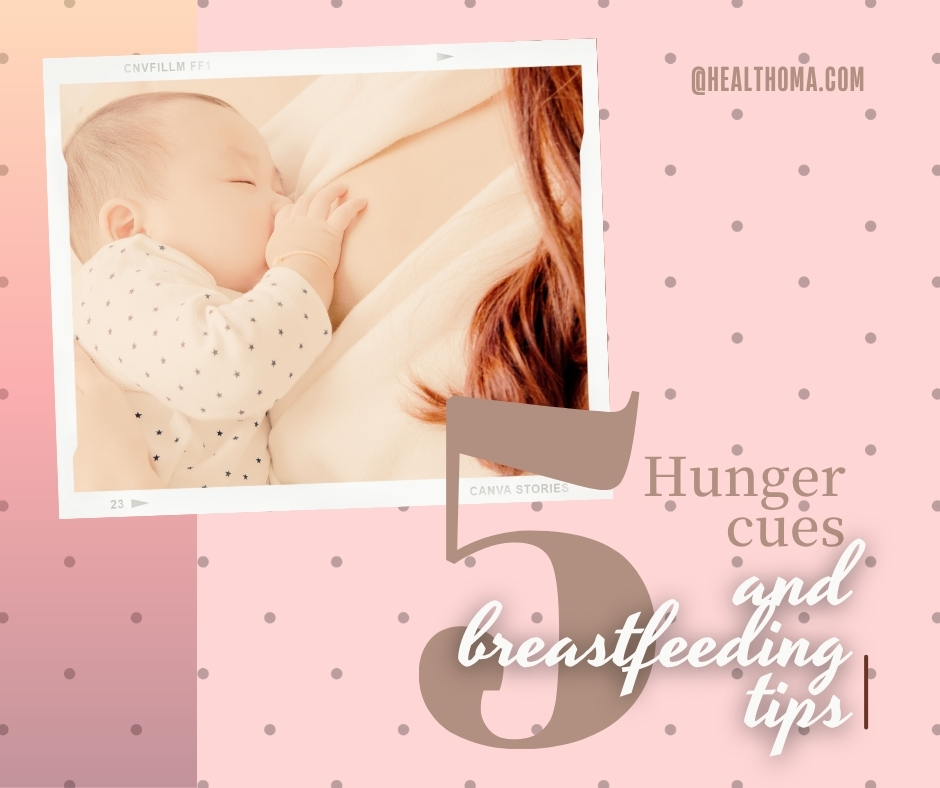
Breastfeeding is a sacred connection between mother and baby and a perfect balance of love, nourishment, and nature’s design.
It’s more than feeding; it’s the first communication, the earliest comfort, and the foundation of lifelong health. While natural, breastfeeding is also a skill that both mother and baby learn together.
This article will guide you through the right way to breastfeed — from understanding your breast anatomy and milk production to positioning, latch, and emotional well-being — so you can feed your baby with confidence and joy.
1. Why Breastfeeding Matters
Breast milk is the most complete source of nutrition for infants. It contains everything your baby needs — proteins, healthy fats, vitamins, enzymes, hormones, and antibodies — all in perfect proportions.
Benefits for the Baby
-
Perfect nutrition: Breast milk adapts daily to your baby’s growth, providing just the right nutrients.
-
Immunity: It contains antibodies that protect against colds, ear infections, and diarrhea.
-
Healthy digestion: It’s gentle on the stomach and reduces constipation.
-
Brain development: Studies show that breastfed babies have stronger cognitive development.
-
Disease prevention: It lowers the risk of obesity, asthma, diabetes, and sudden infant death syndrome (SIDS).
Benefits for the Mother
-
Faster recovery: The hormone oxytocin helps the uterus return to normal size after birth.
-
Weight balance: Breastfeeding burns up to 500 calories a day naturally.
-
Emotional connection: Skin-to-skin contact releases endorphins that reduce stress and increase bonding.
-
Long-term health: It lowers the risk of breast, ovarian, and uterine cancers, and may protect against osteoporosis.
2. Preparing Yourself for Breastfeeding
Preparation can begin during pregnancy. A little education and planning can make your breastfeeding journey easier.
2.1 Educate Yourself
Attend prenatal breastfeeding classes, watch tutorials from certified lactation consultants, and talk to experienced mothers. Understanding what’s normal — like cluster feeding or temporary soreness — helps you avoid panic later.
2.2 Create a Comfortable Nursing Space
Choose a calm spot in your home with soft lighting and minimal distractions. Keep water, a healthy snack, a burp cloth, and your phone or a book nearby. Comfort is key — both physical and emotional.
2.3 Clothing and Support
Use nursing bras or tops with easy access. A supportive pillow can help lift your baby to breast height, reducing back and shoulder strain.
3. How Milk Production Works
Your breasts start preparing for milk production during pregnancy. After birth, hormonal changes activate milk flow.
-
Colostrum: Thick, yellowish, and packed with antibodies — your baby’s first “vaccine.”
-
Transitional Milk: Appears after a few days, creamier and richer in fat.
-
Mature Milk: Fully developed around two weeks after birth and perfectly balanced.
Milk supply depends on demand: the more often your baby nurses, the more milk your body produces.
4. The Three Functional Zones of the Breast
Understanding the anatomy of your breast helps you feed more effectively and recognize issues early.
Each breast functions through three essential zones:
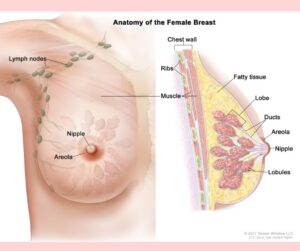
Zone 1 – The Glandular Zone (Milk Factory)
This is the deepest area, containing lobules that produce milk. When your baby latches, the hormone prolactin tells these glands to make milk, while oxytocin pushes it out. A gentle massage before feeding can stimulate this zone and improve flow.
Zone 2 – The Ductal Zone (Transport Pathway)
Milk travels through fine tubes called lactiferous ducts from the lobules to the nipple. If these ducts become compressed or blocked (often by tight clothing or missed feedings), it can cause pain or swelling. Regular nursing and relaxed posture keep this zone open.
Zone 3 – The Areolar and Nipple Zone (Delivery System)
This is where milk exits the body. The areola contains ducts, muscle fibers, and oil-producing glands (Montgomery glands) that protect the skin. A good latch involves the baby’s mouth covering not just the nipple but much of the areola. This allows the baby’s tongue and jaw to press on the milk sinuses under the skin, drawing milk efficiently.
Together, these zones form a natural, synchronized system — producing, transferring, and delivering nourishment with every feed.
5. Getting the Right Latch
A good latch means your baby can suck effectively without hurting you. Pain, clicking sounds, or flattened nipples after feeding are signs of a poor latch.
Steps for a Good Latch
-
Sit upright with your back supported and baby facing you, tummy to tummy.
-
Touch your nipple to your baby’s lips until their mouth opens wide like a yawn.
-
Quickly bring your baby to your breast (not the other way around).
-
Make sure their chin and nose are touching your breast and that they take in most of the areola.
-
You should feel a deep tugging sensation, not a pinch or bite.
When your baby is done, they’ll release naturally or fall asleep satisfied.
6. Comfortable Breastfeeding Positions
Every mother-baby pair finds its favorite position. Try these and see what works best for you:
-
Cradle Hold: Baby rests in the crook of your arm, facing you.
-
Cross-Cradle Hold: Opposite arm supports the baby’s head — good for newborns.
-
Football Hold: Baby tucked under your arm; excellent for C-section recovery.
-
Side-Lying: Lie on your side facing baby — ideal for night feeds.
-
Laid-Back Feeding: Recline slightly with baby on your chest; gravity helps them latch naturally.
7. Recognizing Feeding Cues
Babies signal hunger before crying. Watch for:
-
Opening the mouth or turning the head toward the breast (rooting).
-
Hand-to-mouth movement.
-
Lip smacking or soft cooing.
-
Restlessness or mild fussing.
Feed on demand rather than by schedule. Newborns may nurse 8–12 times in 24 hours.
8. Duration and Frequency
Let your baby lead. Most newborns feed 10–20 minutes per breast, but every baby differs. Offer both breasts at each session, starting next time with the one you finished on. Avoid limiting time; as babies grow, they become faster and more efficient feeders.
9. Common Breastfeeding Challenges
9.1 Sore Nipples
Cause: Poor latch or frequent moisture.
Solution: Re-latch carefully, apply pure lanolin or your own expressed milk, and let nipples air dry after each feeding.
9.2 Engorgement
Cause: Skipping feeds or a sudden increase in milk.
Solution: Nurses frequently use warm compresses before feeding and cold afterward. Gently express milk if too full.
9.3 Blocked Ducts or Mastitis
Cause: Incomplete drainage.
Solution: Continue breastfeeding, massage toward the nipple, and rest well. If fever or pain persists, consult your doctor.
9.4 Low Milk Supply
Cause: Stress, dehydration, and infrequent feeding.
Solution: Feed more often, relax, and drink fluids. Galactagogues like oats, fenugreek, and flaxseed may help. Remember, most “low supply” concerns are due to misinterpretation — babies often cluster feed to build supply.
10. Caring for Your Breasts
-
Wash with plain warm water only — avoid harsh soaps.
-
Wear a comfortable, non-tight bra.
-
Use breast pads if leaking, but change them often.
-
Massage your breasts gently in circular motions to keep the ducts clear.
-
If nipples crack, apply a few drops of breast milk — nature’s best healer.
11. Nutrition for the Breastfeeding Mother
Your diet influences your energy and milk composition.
Eat Plenty Of:
-
Whole grains, vegetables, and fruits.
-
Lean protein sources like fish, chicken, eggs, and beans.
-
Healthy fats from avocado, olive oil, and nuts.
-
Calcium-rich foods such as yogurt, sesame, or fortified alternatives.
-
8–10 glasses of water daily to stay hydrated.
Limit or Avoid:
-
Too much caffeine (over 2 cups of coffee daily).
-
Alcohol (wait 2 hours per drink before nursing).
-
Processed, salty, or overly sugary foods.
A varied diet ensures your baby gets balanced nutrition and you maintain your strength.
12. Pumping and Milk Storage
Pumping is useful for working mothers or to relieve fullness.
Tips:
-
Wash your hands before pumping.
Storage Guidelines:
-
Room temperature: 4 hours
-
Refrigerator: 4 days
-
Freezer: Up to 6 months
Warm milk gently in warm water — never microwave.
13. Emotional Health and Bonding
Breastfeeding can be emotional. Some mothers feel instant joy; others feel tired, anxious, or overwhelmed. All are normal.
Take breaks, sleep when the baby sleeps, and accept help with chores. Remember: a happy mother nurtures a happy baby.
If you feel persistently sad or disconnected, seek help — postpartum depression is common and treatable.
14. Breastfeeding in Public
Feeding your baby is a natural right. Most countries, including Canada, protect public breastfeeding by law.
If you prefer privacy, use a light scarf or nursing cover — but never feel ashamed. Feeding your baby wherever they need it is part of good parenting.
15. Weaning Gracefully
The right time to stop breastfeeding varies. The World Health Organization recommends exclusive breastfeeding for six months, then continued nursing with solid foods up to two years or beyond.
Wean slowly: drop one feed every few days, offering cuddles or playtime instead. Gradual weaning avoids engorgement and emotional distress for both you and your baby.
16. Myths and Truths
| Myth | Truth |
|---|---|
| Small breasts make less milk. | Milk production depends on demand, not size. |
| The formula is just as good. | The formula can’t match antibodies in breast milk. |
| You must drink milk to make milk. | Hydration and balanced nutrition matter more. |
| Breastfeeding causes sagging breasts. | Aging and pregnancy cause changes, not nursing. |
| You must stop if you’re sick. | Most illnesses don’t require stopping; antibodies protect your baby. |
17. When to Seek Help
Contact a lactation consultant or healthcare provider if:
-
Your baby isn’t gaining weight.
-
You experience constant pain during feeding.
-
Nipples are cracked or bleeding.
-
Breasts remain hard after feeding.
-
You feel persistently sad or anxious.
Early support can prevent complications and make breastfeeding smoother.
18. Final Thoughts
Breastfeeding is one of life’s most beautiful exchanges — a gift that nourishes both body and soul. Every baby and every mother is unique; there is no single perfect way. The “right way” is the one that works best for you, promotes comfort, and strengthens the bond you share with your child.
Celebrate each feeding as a moment of love, patience, and connection. With knowledge, support, and care, you’ll discover that your body already knows how to do the most extraordinary thing — sustain life.


